
Products
Our product collection showcases a wide range of motorcycle gloves designed for different riding styles, weather conditions, and performance needs.
As a professional glove manufacturer, we offer strong OEM and custom development capabilities, including style design, material selection, logo application, color matching, protective structure adjustment, and packaging customization.
Backed by organized production processes, skilled workmanship, and strict quality control, we support both sample development and bulk manufacturing for brands, wholesalers, and private label projects. From concept to finished product, we help customers turn glove ideas into reliable market-ready solutions.






FAQs
What types of motorcycle gloves do you manufacture?
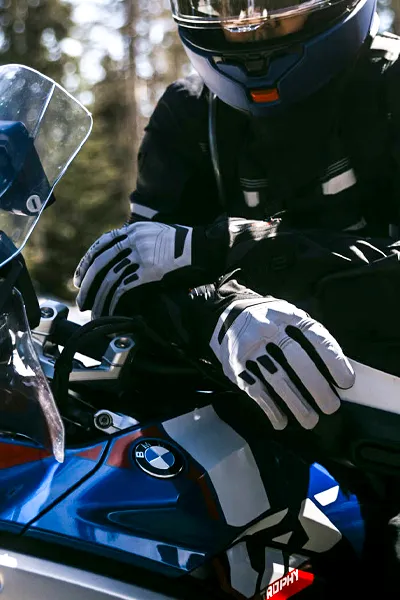
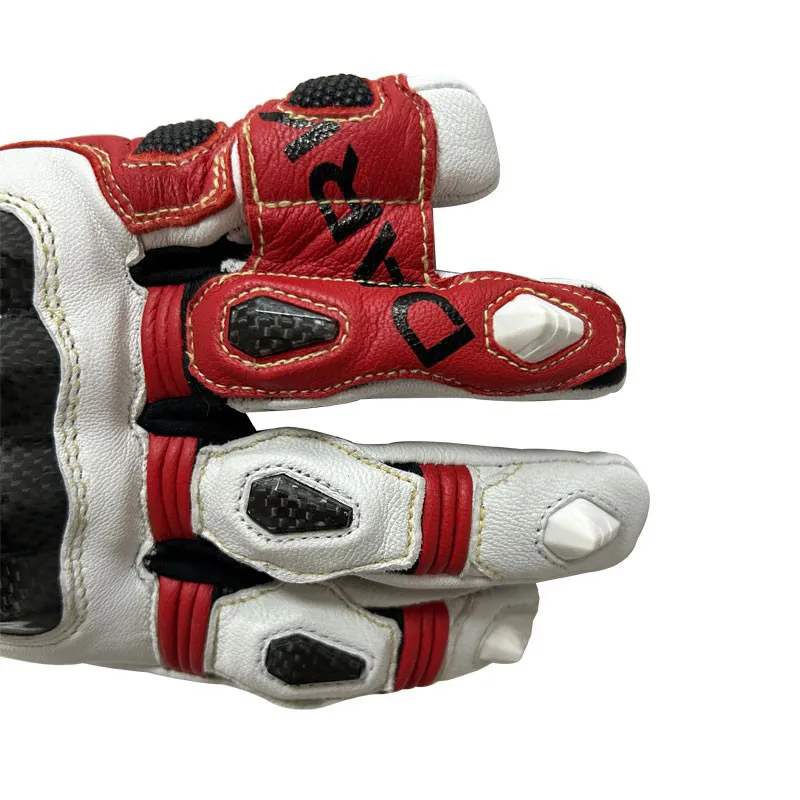
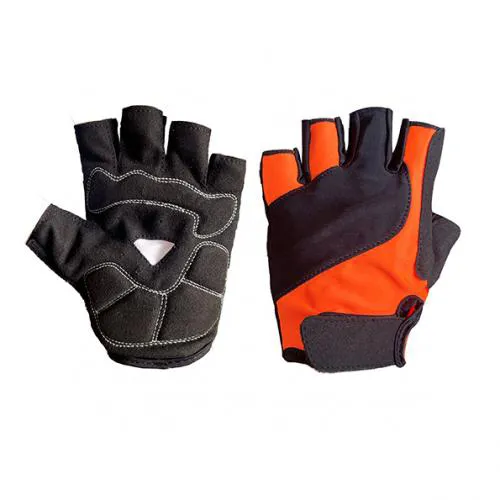
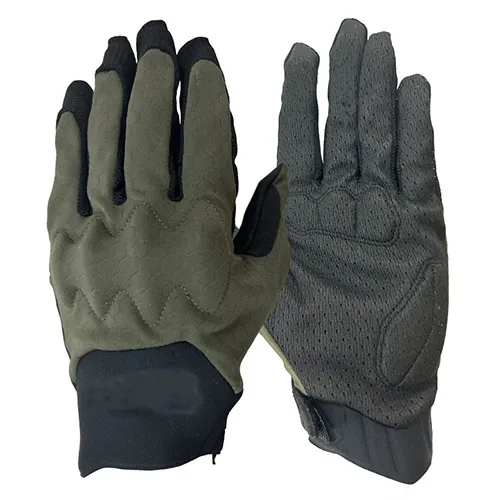
We manufacture motorcycle gloves for a wide range of riding styles and market segments, including racing gloves, urban commuter gloves, classic vintage gloves, fingerless gloves, off-road gloves, and winter gloves. Each category is developed with different priorities in mind. For example, racing gloves focus more on protection, grip, and control, while commuter gloves usually balance comfort, daily practicality, and all-around wearability. Off-road gloves often emphasize flexibility and ventilation, and winter gloves place more attention on insulation, weather resistance, and cold-weather usability.
For brands, importers, and wholesalers, this category coverage makes it easier to build a more complete glove line under one supply partner. Instead of sourcing only one product type, customers can develop multiple glove series with more consistent quality, communication, and production management.
How do I choose the right motorcycle glove category for my market?
The right glove category depends on your target customers, climate, price range, and sales channel.
If your customers are performance-focused riders, racing gloves are often a more suitable direction because they usually require stronger protection structures, more technical styling, and a tighter performance fit.
If your market is built around daily riders, urban commuter gloves may be more commercially practical because they suit broader use scenarios and usually appeal to a wider customer base.
If your brand wants a stronger lifestyle image, classic vintage gloves can work well for retro or heritage collections. Fingerless gloves are often used for summer or casual riding segments, while off-road gloves are better matched with dirt bike and adventure-related lines. Winter gloves are more suitable for colder regions or seasonal product planning. In most cases, we suggest selecting products not only by appearance, but also by riding environment, user expectations, and the retail positioning of your brand.
What materials can be used for motorcycle gloves?
Motorcycle gloves can be developed with different material combinations depending on the desired performance, style, and price level. Common options include leather, microfiber, synthetic leather, mesh, and textile fabrics. Leather is often chosen for its durability, structure, and classic premium look, while microfiber and synthetic materials can provide a more flexible balance between cost, wear resistance, and design freedom. Mesh and lightweight textile panels are often used in gloves that need better airflow and summer comfort.
The material combination is usually not selected by one factor alone. It should be evaluated together with the glove category, protection requirements, target retail price, and expected user experience. For example, a winter glove may require thermal lining and weather-resistant layers, while a commuter or summer style may need more breathable constructions. A good glove product is usually the result of proper material matching, not simply using the most expensive option.
Can you customize motorcycle gloves for our brand?
Yes, we support OEM, ODM, and private label development for customers who want gloves designed around their own brand direction. Customization can include logo application, colors, material combinations, protection layout, functional features, cuff structure, closure details, packaging, and other product-related elements. This is useful for customers who want to create products that fit a specific market position instead of selling generic gloves with limited brand identity.
Customization can start from different levels. Some customers already have drawings, samples, or detailed technical requirements. Others only have a rough idea, reference images, or a target market concept. In both cases, the development process can move forward step by step. The goal is not only to make a glove that looks different, but to develop a product that is commercially suitable for your customers, pricing structure, and brand strategy.
Can you develop gloves based on our sample, sketch, or concept?
Yes. We can work from physical samples, design sketches, reference photos, tech packs, or even a general product concept. In many cases, customers do not start with a fully completed specification. They may only know the style direction they want, the riding scenario they are targeting, or the approximate quality level they need for their market. That is usually enough to begin the evaluation process.
From there, product development can move into material selection, structure adjustment, protection planning, feature matching, and sample confirmation. This kind of cooperation is especially valuable for brands that want to improve an existing glove, create a better version of a current product, or expand into a new glove category. The sampling stage helps align visual design, fit, function, and commercial feasibility before moving into bulk production.
What protection options can be added to motorcycle gloves?
Protection options can be adjusted according to the intended use of the glove. Common structures may include reinforced knuckle areas, padded palms, wear-resistant patches, finger protection sections, and additional impact-focused components in key contact areas. The exact protection combination should be selected based on the riding style, glove category, and the level of performance the market expects.
For example, racing-oriented gloves usually need more visible and structured protection elements, while commuter gloves often require a better balance between safety, flexibility, and daily comfort.
Off-road products may prioritize impact control and hand mobility differently from road-use gloves. The most effective protection design is not always the heaviest one. It should support the real riding environment while still maintaining grip, comfort, and usable hand movement.
How do you control the quality of motorcycle gloves?
Quality control should begin before production starts, not only at the final inspection stage. A reliable glove manufacturing process usually includes raw material checking, in-process inspection, and finished product review.
Materials need to be evaluated for consistency, durability, and suitability before they enter production. During manufacturing, workmanship details such as stitching, panel alignment, fit, protection component installation, and overall construction quality should be checked at different stages.
Final inspection is also important, but it works best when supported by a full-process control system. This helps reduce avoidable defects, maintain better consistency across order batches, and improve the overall reliability of bulk supply. For buyers, this matters because glove products are not judged only by appearance. Comfort, fit, construction stability, and repeatability between production runs all affect long-term customer satisfaction and brand credibility.
Do you offer gloves samples before bulk production?
Yes, sampling is an important part of motorcycle glove development, especially for OEM and private label projects. A sample allows customers to check whether the product direction is correct before committing to full production. This usually includes reviewing the appearance, material feel, fit, structure, protection arrangement, and functional details of the glove. Sampling is also the stage where practical improvements can be identified more efficiently.
For many customers, a sample is not just for visual confirmation. It is a decision-making tool that helps evaluate whether the product matches the target market and price level. If necessary, adjustments can be made before bulk production begins, which helps reduce risk later in the order process. For custom projects, a proper sample stage is often one of the most important steps in building a more stable final product.
What information should we provide when requesting a quote for motorcycle gloves?
To get a more accurate and efficient quotation, it is best to provide as much practical product information as possible. Helpful details may include the glove category, target market, intended use, preferred materials, required features, protection expectations, logo method, packaging requirements, estimated order quantity, and target price range. If you already have samples, drawings, reference photos, or similar product links, those can also make communication much clearer.
The more complete the project information is, the easier it becomes to recommend a suitable development direction and production solution. This is especially important for customized gloves, because pricing is usually influenced by many combined factors rather than one single specification. A clear inquiry can save time, reduce misunderstanding, and help move the project more quickly from concept discussion to sample development and production planning.