
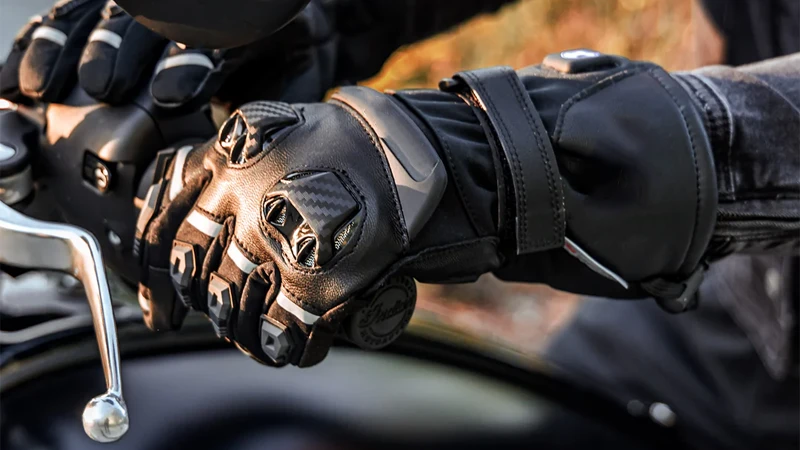
Many new riders ask the same question: are motorcycle gloves really necessary, or are they just an optional accessory? The answer is simple. While you can physically ride a motorcycle without gloves, doing so is rarely a smart decision. Motorcycle gloves are not only about style. They help protect your hands, improve grip, reduce fatigue, and make riding safer in changing weather and road conditions.
In this article, we will look at whether gloves are truly necessary, when heated motorcycle gloves are worth buying, and how to choose the right type for different riding needs.
Do You Need Gloves to Ride a Motorcycle?
Technically, a motorcycle can be ridden without gloves, so the direct answer is no in the most literal sense. However, from a practical riding and safety perspective, motorcycle gloves should be considered essential gear. Your hands are constantly exposed while riding. They control the throttle, clutch, front brake, and many of the small adjustments that keep the bike stable and responsive. Without gloves, your hands are more vulnerable to wind, cold, rain, vibration, and road debris.
It is also important to separate legal requirements from real-world necessity. In some places, motorcycle gloves may not be required by law, while in others they may be strongly encouraged or regulated. But experienced riders usually do not judge gloves by legal minimums alone. They wear them because the risks of riding without proper hand protection are simply not worth it. In everyday riding, gloves are one of the most practical and valuable pieces of equipment you can use.
Why Wear Gloves When Riding a Motorcycle?

Hand protection in a crash
One of the biggest reasons riders wear gloves is to protect their hands in a fall or crash. When people lose balance, their natural instinct is to put their hands out first. On a motorcycle, that reaction can lead to serious abrasion, cuts, bruising, or impact injuries if the hands are not protected. Even a low-speed slide can tear skin quickly when bare hands hit rough pavement.
Motorcycle gloves are designed to reduce that risk. Depending on the style, they may include reinforced palms, knuckle guards, padded finger panels, and abrasion-resistant outer materials. These features cannot prevent every injury, but they can greatly reduce surface damage and improve overall hand protection. Because hands are so important for both riding and daily life, protecting them should never be treated as optional.
Better grip and control
Another important reason to wear motorcycle gloves is to maintain a more secure grip on the bike. Your hands are responsible for throttle control, braking, clutch operation, and constant steering input. If your palms become sweaty, cold, wet, or tired, your control over the motorcycle can become less precise. That is where gloves make a real difference.
Good motorcycle gloves improve friction between your hands and the handlebars, helping you hold the controls more confidently in both normal and difficult riding conditions. They also help reduce the effect of vibration during longer rides. Whether you are riding through traffic, taking corners, or dealing with sudden stops, better grip means better control. This is one of the main practical reasons why so many experienced riders consider gloves essential.
Comfort during long rides
Gloves are not only about crash protection. They also make riding more comfortable, especially on longer trips. Constant wind pressure, repeated movement, and vibration can make bare hands tired much faster than many riders expect. Over time, this can lead to discomfort, numbness, and reduced riding confidence.
A well-designed pair of motorcycle gloves creates a barrier between your skin and the riding environment. They help reduce friction from continuous handlebar contact, provide light cushioning, and protect your hands from direct exposure to wind and changing temperatures. Even during shorter rides, this added comfort can improve focus and reduce distraction. For daily commuters and touring riders alike, gloves are not just protective gear. They are a practical part of a more controlled and comfortable riding experience.
Are Gloves Necessary for Motorcycle Riding in Different Conditions?

City commuting
Even on short urban rides, motorcycle gloves still matter. City commuting often involves frequent stops, traffic lights, lane changes, emergency braking, and constant hand movement on the controls. Many riders assume low-speed city riding is less risky, but the reality is that urban traffic creates many unpredictable situations. A sudden stop, a wet painted road line, or a car turning without warning can all demand quick reactions.
City commuter gloves help city riders maintain a stable grip and better comfort during repeated clutch, brake, and throttle use. They also protect the hands from wind, dust, light rain, and small road debris. For daily commuting, lightweight full-finger motorcycle gloves are often a practical choice because they balance protection, flexibility, and comfort without feeling too bulky.
Highway riding
On the highway, the importance of motorcycle gloves becomes even clearer. Higher speeds create stronger wind pressure on the hands, and longer riding time increases fatigue. At the same time, the consequences of losing control or crashing at highway speed are much more serious than in city traffic.
Racing motorcycle gloves help riders keep a firmer hold on the handlebars and reduce the stress caused by wind and vibration over long distances. Protective features such as reinforced palms and knuckle guards also become more valuable in high-speed riding environments. For touring, commuting on expressways, or any sustained road riding, gloves should be considered essential equipment rather than optional gear.
Cold or wet weather
Cold and wet weather is another situation where gloves become especially important. When hands get cold, finger movement becomes slower and less precise. This can affect how quickly and smoothly a rider operates the clutch, brake, and throttle. In wet conditions, bare hands also lose grip more easily, which can make control less reliable.
Motorcycle weather gloves provide a protective layer against wind chill, rain, and low temperatures. Waterproof or insulated styles are often a better choice for these conditions, while heated motorcycle gloves can offer even more comfort and control in winter riding. In bad weather, gloves are not just a convenience. They directly support safer handling and better rider confidence.
Are Heated Motorcycle Gloves Worth It?

When heated gloves make sense
For many riders, heated motorcycle gloves are absolutely worth it in the right conditions. They are especially useful for winter commuting, cold early-morning rides, long-distance touring, and travel in regions where low temperatures are common. In these situations, standard gloves may provide some insulation, but they often cannot maintain enough warmth over extended riding time.
Heated gloves are designed to actively keep the hands warm instead of only slowing heat loss. This makes them a strong option for riders who regularly face cold wind, low temperatures, or long highway exposure. If riding is part of your daily routine during colder months, heated motorcycle gloves can be more than a luxury. They can become an important piece of practical riding equipment.
Benefits beyond warmth
The value of heated motorcycle gloves is not limited to comfort alone. Warm hands usually mean better mobility, more natural finger movement, and more reliable control of the brake and clutch. When hands become too cold, even simple riding actions can feel stiff and slow. That loss of dexterity can reduce confidence and make riding more tiring.
Heated gloves help prevent numbness and reduce fatigue caused by cold-weather riding. They also support more stable control by helping riders keep a firm, responsive grip on the motorcycle. In this sense, heated gloves contribute not only to comfort, but also to riding performance and safety in winter conditions.
Do You Have to Wear Gloves While Riding a Motorcycle if You Are Only a Passenger?

Should motorcycle passengers wear full-fingered gloves?
Yes, motorcycle passengers should also wear gloves, and full-fingered gloves are usually the better choice. Passengers may not operate the motorcycle, but they are still fully exposed to wind, weather, vibration, and the risk of injury in sudden braking or an accident. Their hands can easily become cold, dry, or uncomfortable during a ride, especially at higher speeds or over longer distances.
Full-fingered motorcycle gloves give better coverage than open-finger styles and help protect the entire hand from wind, debris, and surface contact. They also provide a more secure and stable feel when holding grab handles, the rider, or other support points during movement. For safety and comfort, passengers should not treat gloves as optional.
Some people assume gloves matter only for the rider because the rider controls the bike. In reality, passengers face many of the same environmental risks. Their hands are still exposed to cold air, road dust, light rain, and sudden movement. In an emergency situation, passengers may also instinctively use their hands to protect themselves during a fall.
Conclusion
So, are motorcycle gloves necessary? In real-world riding, the answer is yes. Even if some riders focus only on helmets and jackets, gloves are just as important because your hands are constantly exposed and directly involved in every riding action. From improving grip and reducing fatigue to protecting against abrasion, wind, cold, and road debris, motorcycle gloves play a practical role in both safety and comfort.
For most riders, full-finger motorcycle gloves are the best everyday choice because they offer balanced protection and control. For winter commuting or cold-weather touring, heated motorcycle gloves can be a worthwhile upgrade. Whether you are a rider or a passenger, choosing the right gloves is a simple step that can make every ride safer, more comfortable, and more confident.
FAQs
Do you have to wear gloves on a motorcycle?
Not always by law, because glove requirements vary by country and region. However, from a practical safety standpoint, motorcycle gloves are strongly recommended because they improve grip and help protect your hands in the event of a crash. NHTSA also advises riders to wear gloves as part of protective riding gear.
Are heated motorcycle gloves worth it?
Heated motorcycle gloves are worth it for riders who commute or travel in cold weather on a regular basis. They help keep the hands warm, which can improve finger mobility, reduce numbness, and make brake and clutch control feel more natural in low temperatures. For riders in mild climates, standard insulated gloves may be enough, but heated gloves can be a worthwhile upgrade for winter riding.
Should motorcycle passengers wear full-fingered gloves?
Yes, motorcycle passengers should wear full-fingered gloves. Passengers are still exposed to wind, cold, debris, and crash-related hand injury, even if they are not operating the bike. Full-fingered gloves provide better coverage and are a more protective choice for both comfort and safety.
Do I need motorcycle gloves that cover my wrist?
Not in every situation, but wrist coverage is generally a smart choice, especially for road riding, touring, and colder weather. The European EN 13594 glove standard includes cuff-length requirements, with greater wrist coverage required at the higher protection level, which reflects the safety value of protecting the wrist area as well as the hand. In practice, gloves that extend over the wrist usually offer better coverage, better closure security, and better protection from wind and abrasion.
Do leather gloves help from injury on a motorcycle?
Yes, leather motorcycle gloves can help reduce certain injuries, especially abrasion-related soft tissue injuries such as cuts and scrapes. NHTSA recommends covering the arms and legs with protective materials such as leather or heavy denim, and research has found that motorcycle gloves are associated with lower risk of soft tissue and open-wound injuries in crashes. Leather is not a guarantee against every type of injury, but it can provide meaningful protection when used in properly designed motorcycle gloves.
Do motorcycle gloves have to be DOT approved?
No. In the United States, the DOT/FMVSS 218 standard applies to motorcycle helmets, not motorcycle gloves. NHTSA’s guidance about DOT markings is specifically about helmets, while motorcycle gloves are more commonly evaluated under glove-specific standards such as EN 13594 in Europe. So for gloves, “DOT approved” is not the correct standard to look for.